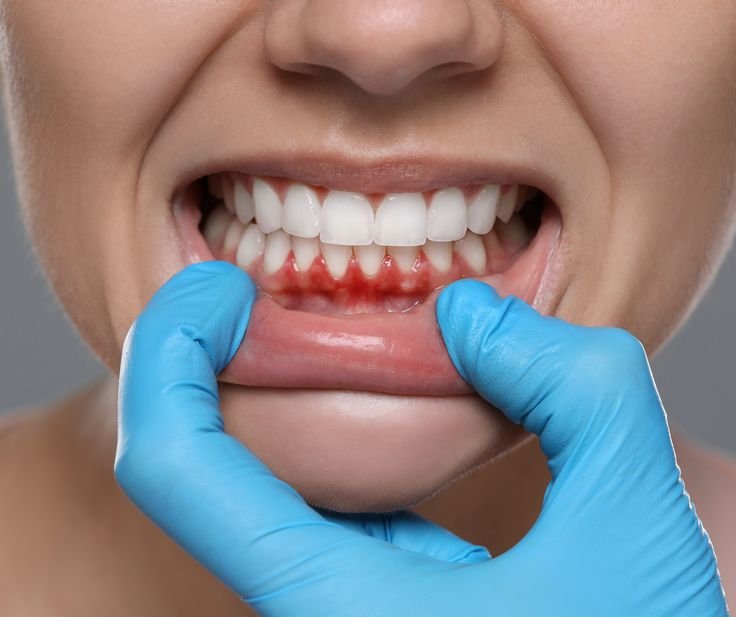
Gum disease starts when plaque and tartar build up along the gum line and irritate the gums. In its early stage, called gingivitis, the gums become red, swollen and bleed easily. If untreated, it can progress to periodontitis, where the supporting bone around the teeth is gradually lost and teeth can become loose.
The good news is that early gum disease can often be reversed with professional cleaning and better home care. More advanced disease needs deeper cleaning and regular follow-up to keep it under control. Treatment is planned after examining your gums and, where required, taking X-rays.
When You May Need Gum Disease Treatment
- Gums that bleed while brushing or flossing
- Red, swollen or tender gums
- Persistent bad breath or a bad taste in the mouth
- Gums that are pulling away from the teeth
- Loose teeth or changes in how your teeth fit together
How the Treatment Works
- Gum examination. The depth of the spaces around your teeth is measured and X-rays are taken if needed.
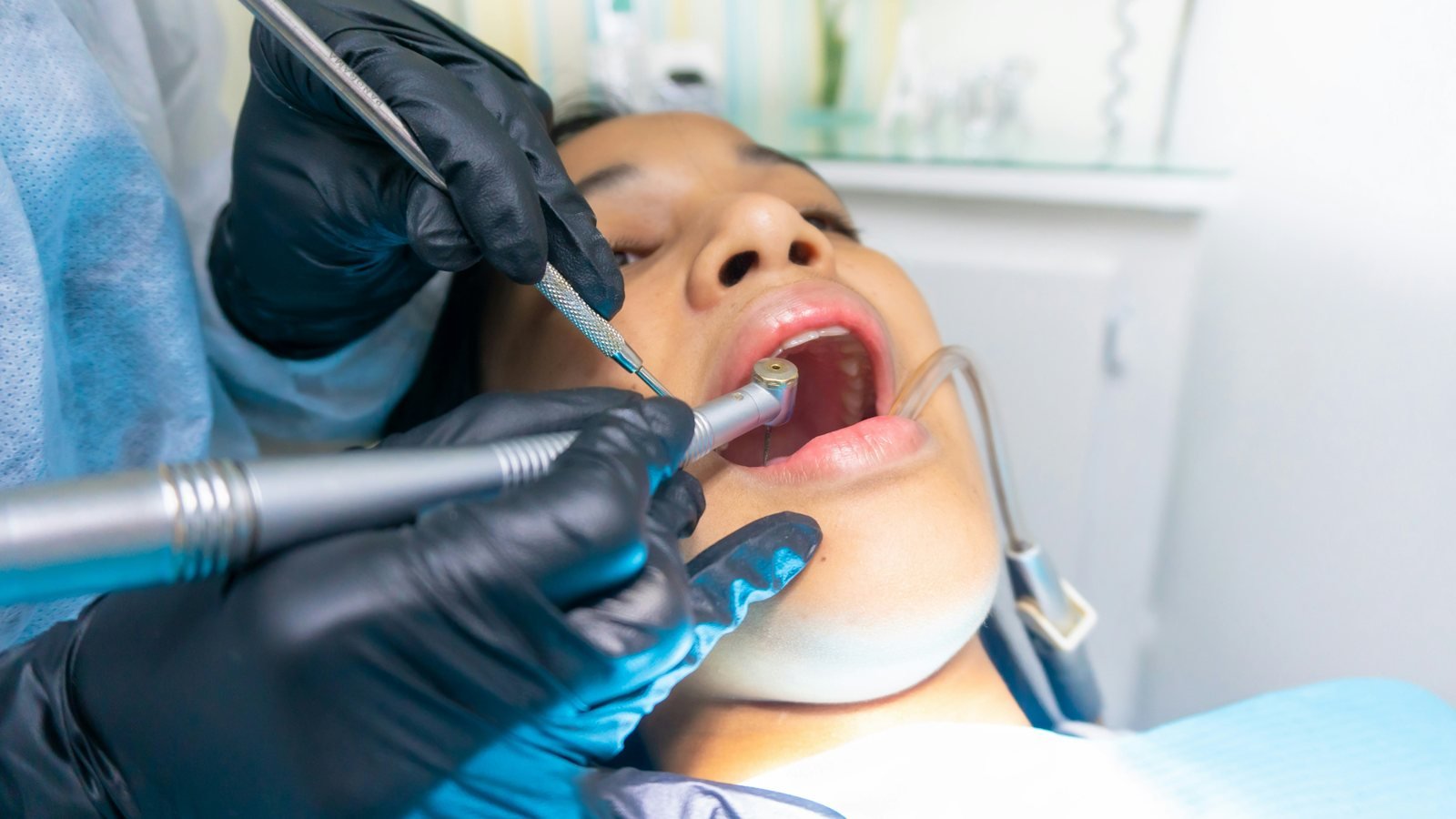
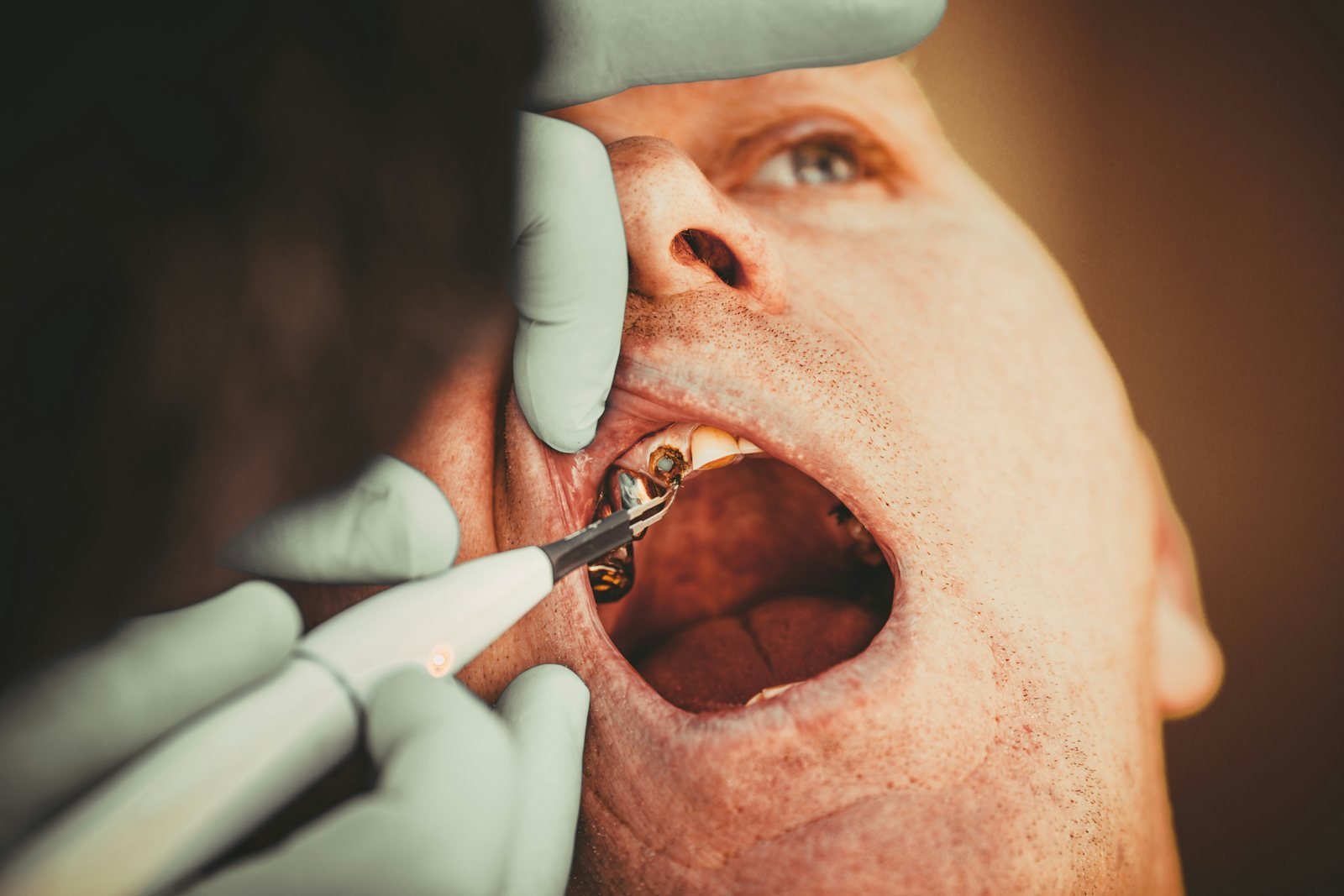
- Deep cleaning. Plaque and tartar are removed from above and below the gum line, sometimes with local anaesthesia.
- Medication and advice. Antimicrobial rinses or medicines may be prescribed, and you are guided on home care.
- Review and maintenance. The gums are rechecked after healing, and regular maintenance visits are scheduled.
Benefits
- Reduces gum inflammation and bleeding
- Helps stop further loss of supporting bone
- Improves breath
- Helps keep your natural teeth for longer
Aftercare & Tips
- Brush gently twice a day and clean between teeth daily
- Use any prescribed mouthwash exactly as advised
- Stop or reduce smoking, which worsens gum disease
- Keep your maintenance appointments, as gum disease can return if cleaning is neglected