A dental bridge replaces one or more missing teeth by joining an artificial tooth to crowns placed on the teeth on either side of the gap. It is a fixed solution, which means it stays in your mouth and is not removed for cleaning like a denture.
Bridges restore your ability to chew and speak, and prevent neighbouring teeth from drifting into the space. Whether a bridge or an implant is better for you depends on your gums, adjacent teeth and bone, and your dentist will explain the options.
When You May Need Dental Bridges
- You have one or a few missing teeth
- The teeth next to the gap are strong enough to support crowns
- You want a fixed replacement without surgery
- Missing teeth affect chewing, speech or appearance
How the Treatment Works
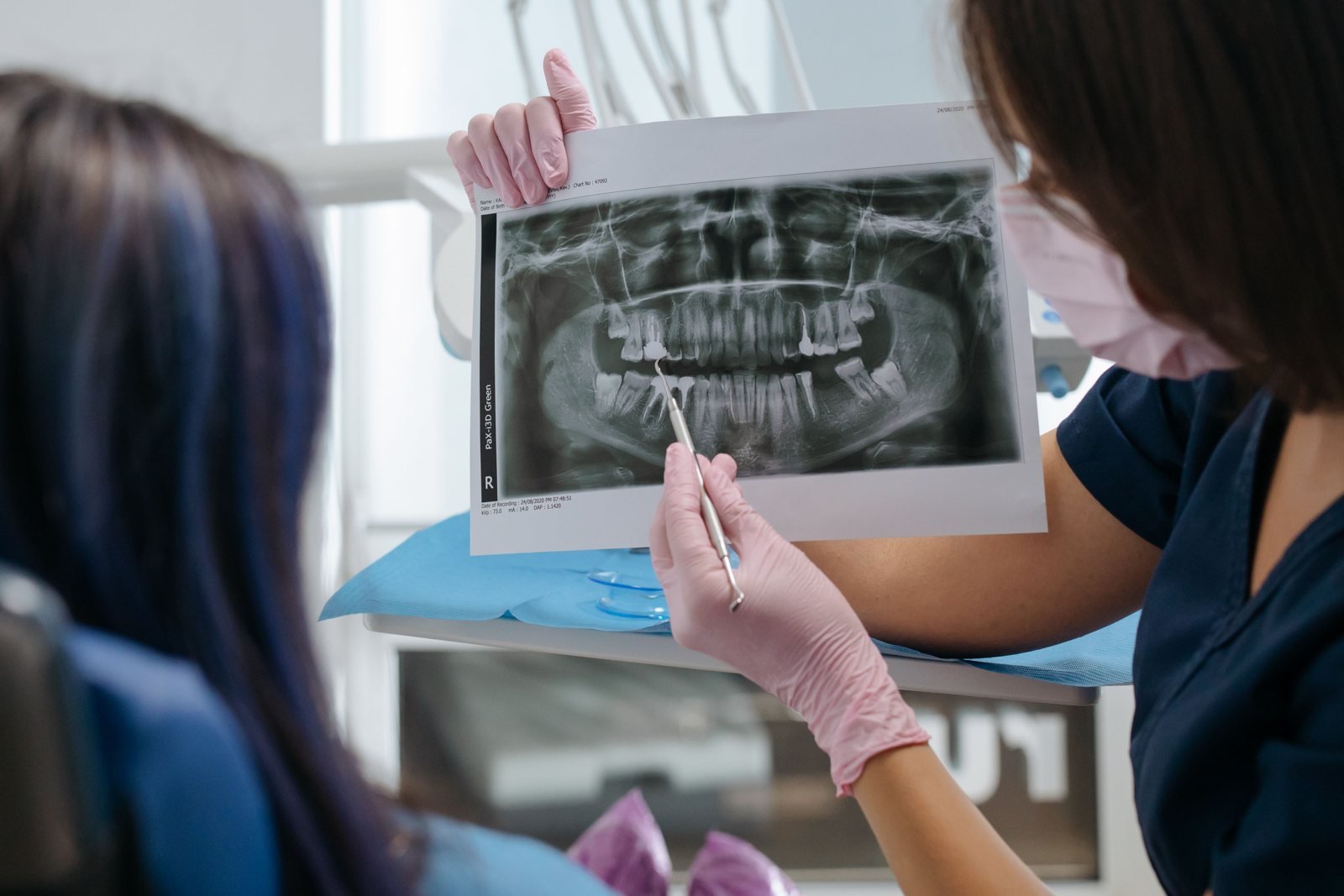
- Consultation. The gap and neighbouring teeth are examined and X-rays are taken.
- Preparing the supporting teeth. Under local anaesthesia, the teeth on either side of the gap are reshaped to receive crowns.
- Impressions. Impressions or scans are sent to a dental lab, and a temporary bridge is placed.
- Fitting the bridge. The final bridge is checked for fit and bite and then cemented in place.
Benefits
- Fills the gap and restores your smile
- Improves chewing and speech
- Fixed in place and comfortable
- Usually completed in a few visits
Aftercare & Tips
- Clean under the bridge daily with floss threaders or interdental brushes
- Avoid very hard and sticky foods, especially in the first days
- Keep regular check-ups to monitor the supporting teeth
- Maintain good gum health to protect the bridge