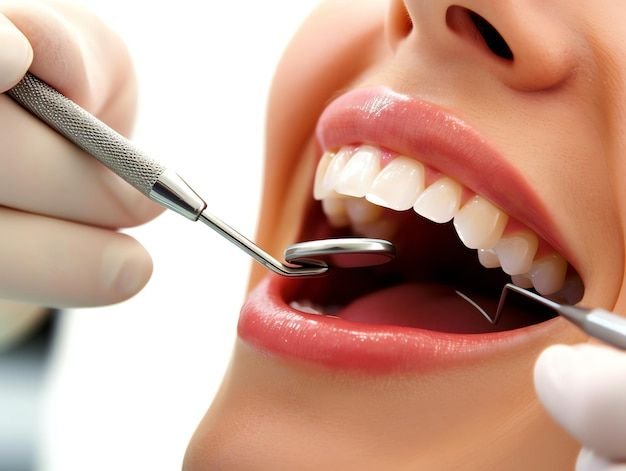
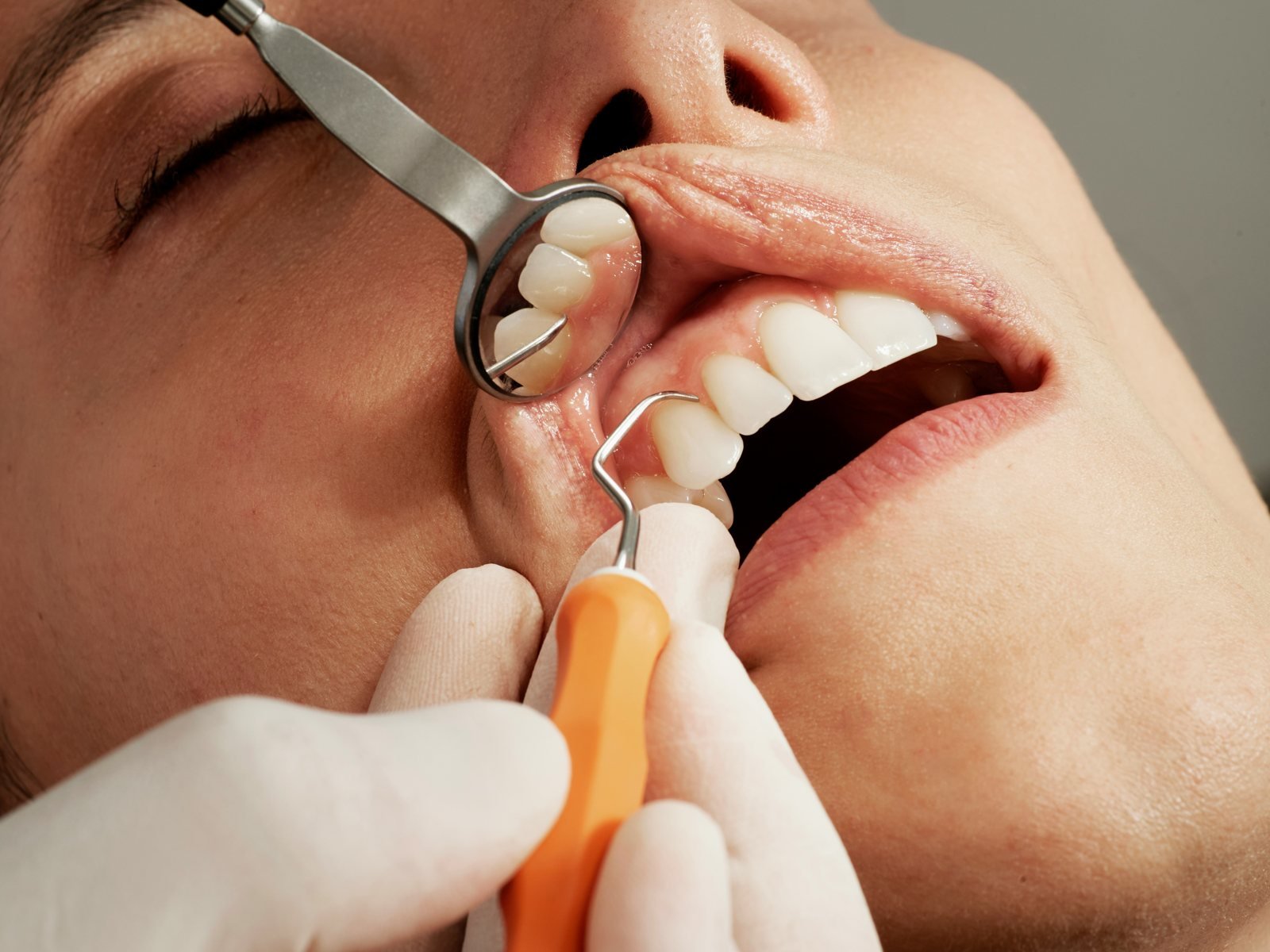
Tooth extraction is the removal of a tooth from its socket in the jawbone. Dentists always try to save a natural tooth, but extraction becomes necessary when a tooth is too badly damaged, infected or loose to be repaired, or when it is blocking the correct alignment of other teeth.
The procedure is done under local anaesthesia and is usually quick. Your dentist will also discuss how the gap can be replaced, for example by an implant, bridge or denture, so that neighbouring teeth do not drift.
When You May Need Tooth Extraction
- A tooth is badly decayed or broken below the gum line
- Advanced gum disease has loosened the tooth
- An infection cannot be controlled with other treatment
- Teeth need to be removed to make space for braces
- A tooth is impacted or cannot erupt properly
How the Treatment Works
- Examination and X-ray. The tooth and the surrounding bone are assessed.
- Local anaesthesia. The area is numbed so that you do not feel pain.
- Removing the tooth. The tooth is loosened and gently removed. Some teeth need a minor surgical approach.
- Care of the socket. Gauze is placed to control bleeding and you are given healing instructions.
Benefits
- Removes the source of pain and infection
- Protects neighbouring teeth and gums
- Creates space where needed for orthodontic treatment
- Short, usually same-day procedure
Aftercare & Tips
- Bite on the gauze for the time advised to control bleeding
- Avoid spitting, rinsing hard or using a straw for the first day
- Eat soft, cool food and avoid hot drinks at first
- Contact the clinic if you have heavy bleeding, fever or worsening pain