 Gum Health
Gum Bleeding in Dum Dum: 7 Powerful Tips for Healthy Gums?
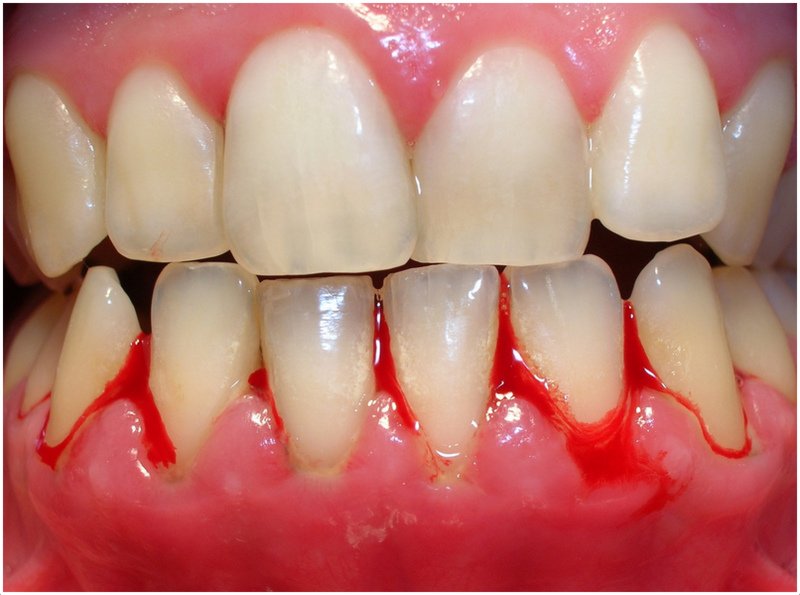
Gum bleeding in Dum Dum can be worrying, especially when you notice blood while brushing or flossing. Repeated bleeding should not be ignored. It may be linked to plaque, brushing habits, hormonal changes, certain medicines, or other oral-health conditions.
Patients from Dum Dum, Lake Town, Bangur, Baguiati, Kestopur, Salt Lake, and other parts of Kolkata may notice bleeding during everyday brushing. This guide explains why gum bleeding in Dum Dum happens and when to seek dental advice. It also covers how gum health relates to braces, teeth whitening, dental implants, and root canal treatment.
Table of Contents
-
Why Do Gums Bleed?
-
7 Common Reasons
-
Warning Signs and What to Do
-
Dental Assessment and Treatment
-
Gum Health with Other Dental Services
-
Prevention and Daily Care
-
Local Dental Care and Final Thoughts
Why Do Gums Bleed?
Healthy gums should not bleed regularly during brushing or interdental cleaning. A common cause is plaque, a sticky film of bacteria around teeth and the gumline. If it remains, plaque can irritate the gums and cause gingivitis. It can also harden into tartar, which generally needs professional cleaning. The National Institute of Dental and Craniofacial Research explains that plaque buildup can cause red, swollen gums that bleed easily.
Repeated bleeding should be assessed by a dental professional, especially when gum bleeding in Dum Dum continues despite gentle brushing.
7 Common Reasons for Gum Bleeding
1. Plaque Buildup
Plaque around the gumline can irritate the gums and cause redness, swelling, and bleeding. Daily brushing and interdental cleaning help remove it.
2. Gingivitis
Gingivitis is an early form of gum disease. It can cause red, swollen, tender gums that bleed during brushing or flossing.
3. Brushing Too Hard
Excessive pressure or a hard-bristled toothbrush may irritate gum tissue. Choose a soft-bristled brush and use gentle movements.
4. Inconsistent Flossing
Plaque can collect between teeth. Mild initial bleeding may occur when beginning interdental cleaning, but ongoing bleeding needs assessment.
5. Smoking and Tobacco
Tobacco use increases gum-health risks and can affect healing. Regular dental checks are important for people who smoke.
6. Hormonal or Medical Factors
Pregnancy-related hormonal changes may make gums more sensitive to plaque. Diabetes is associated with a higher risk of gum disease. Some medicines, including blood thinners, may influence bleeding. Never stop prescribed medication without medical advice.
7. Other Dental Problems
Crowded teeth, poorly fitting restorations, tartar below the gumline, or advanced periodontal problems can make cleaning difficult. Loose teeth, gum recession, pus, or persistent bad breath need dental assessment.
Warning Signs and What to Do
Bleeding once after brushing too firmly is different from bleeding that happens repeatedly. Arrange a dental assessment if your gums bleed regularly, look swollen or red, feel tender, or you notice persistent bad breath.
Seek prompt dental advice if you notice loose teeth, gum recession, pus, increasing pain, or swelling. Heavy bleeding that does not stop, or bleeding accompanied by faintness or feeling unwell, needs urgent medical attention.
What to Do When Gums Bleed
Do not stop cleaning your teeth altogether. Plaque left around the gumline can make inflammation worse.
Use a soft-bristled toothbrush, brush gently twice daily with fluoride toothpaste, and clean between teeth once a day using suitable floss or an interdental brush.
Avoid aggressive scrubbing and do not poke the gums with sharp objects. If bleeding continues, book a dental examination rather than relying only on home remedies.
If you are looking for gum bleeding treatment in Kolkata or gum bleeding in Dum Dum, a dentist can check whether plaque, tartar, inflammation, or another condition is responsible.
Dental Assessment and Treatment
The dentist may ask when bleeding started and whether it occurs during brushing or spontaneously. They will examine the gums and look for plaque, tartar, swelling, and other signs. Gum-pocket measurements or X-rays may be recommended when clinically needed.
Mention any medical conditions, pregnancy, smoking, or medicines that may affect bleeding.
Treatment depends on the cause. Professional cleaning or scaling may be recommended for plaque and tartar. More advanced problems may need deeper cleaning below the gumline or care from a gum specialist.
The National Institute of Dental and Craniofacial Research describes options including professional cleaning and scaling and root planing, depending on severity.
Gum Health with Braces, Whitening, Implants and Root Canal Treatment
People wearing braces may find plaque harder to remove around brackets and wires. Careful brushing and interdental cleaning are important. Ask your orthodontic team to check your technique if bleeding develops.
If you are considering teeth whitening, recurring bleeding should be assessed first. Whitening is cosmetic and does not treat gum inflammation. Gum care may need to be completed before whitening.
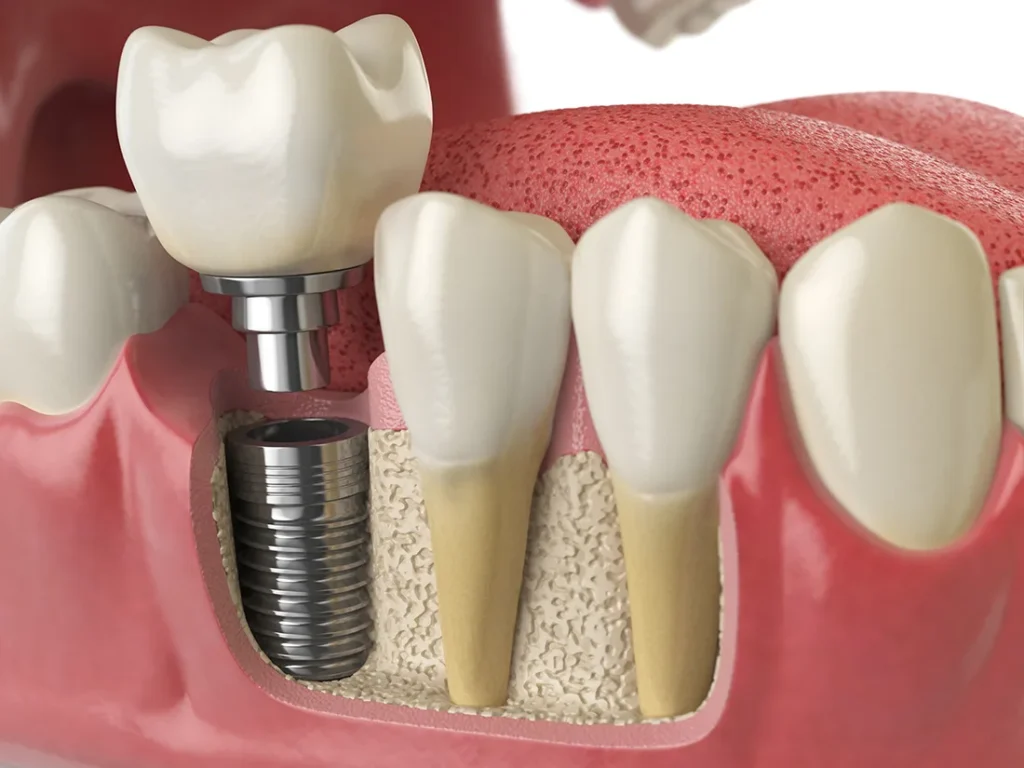
Patients with dental implants need to clean carefully around the implant and attend follow-up checks. Bleeding around an implant should be assessed.
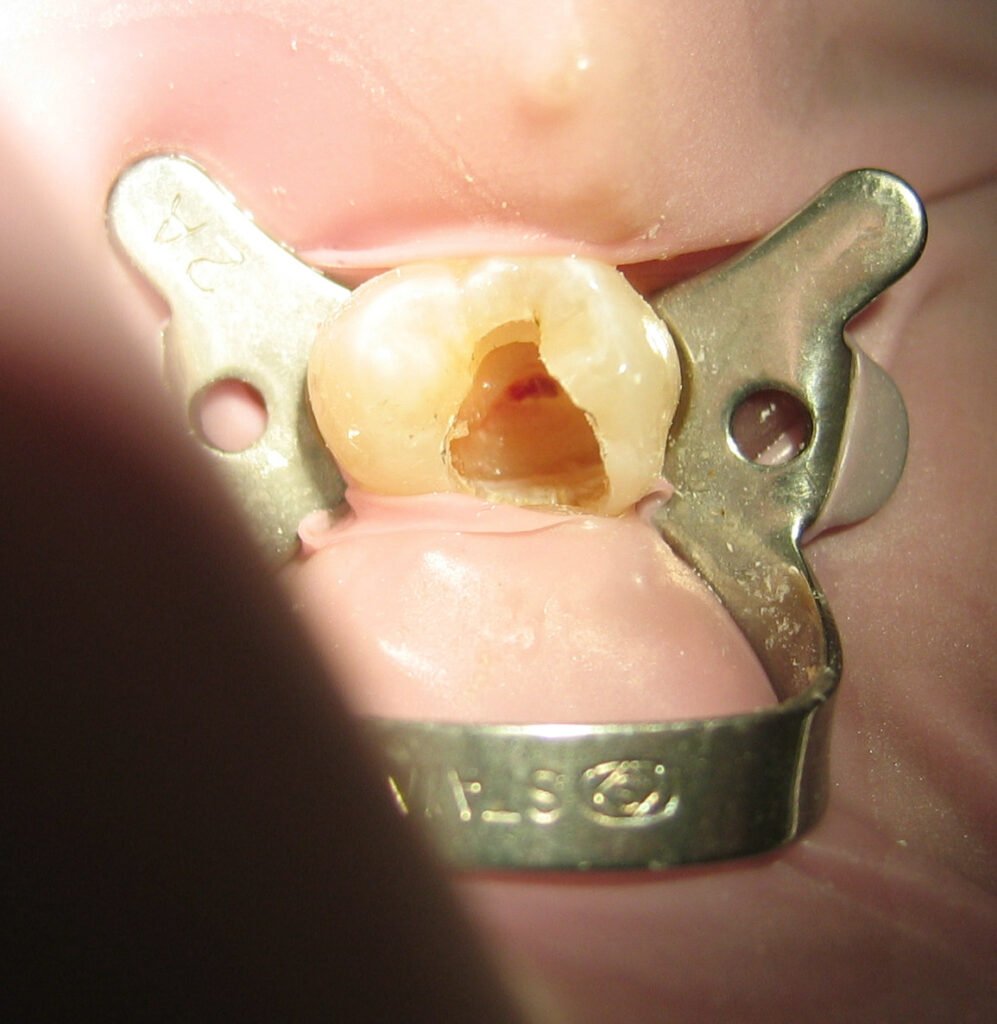
Root canal treatment addresses disease inside a tooth, not ordinary plaque-related gum inflammation. If you have both tooth pain and bleeding gums, the dentist should assess each concern separately.
Prevention and Daily Care
A consistent routine helps reduce plaque and support gum health:
-
Brush twice daily with fluoride toothpaste and a soft-bristled brush.
-
Clean between teeth every day with floss or suitable interdental brushes.
-
Replace a toothbrush when its bristles become frayed.
-
Avoid tobacco and limit frequent sugary snacks.
-
Attend regular dental examinations and professional cleaning when advised.
-
Follow your dentist’s care instructions if you have braces, implants, or gum treatment.
Clean gently and consistently. If bleeding continues, ask your dental professional to check your technique.
Gum Bleeding in Dum Dum and Nearby Kolkata Areas
People searching for gum bleeding in Dum Dum may also look for gum bleeding in Dum Dum treatment near Lake Town, Bangur, Baguiati, Kestopur, and Salt Lake. The cause can differ from person to person, so treatment should be based on an examination rather than location or symptoms alone.
Patients with gum bleeding in Dum Dum can discuss bleeding, swelling, tenderness, bad breath, and other oral-health concerns with the Dental Universe team. Explain when the bleeding happens, how long it has been present, and whether you take medicines that may affect bleeding.
A dental assessment can help determine whether professional cleaning, improved home care, periodontal treatment, or further investigation is appropriate.
Gum Bleeding in Dum Dum: When to Book a Check-Up
If gum bleeding in Dum Dum happens repeatedly, arrange a dental examination instead of waiting for pain to develop. Early gum inflammation may not cause much discomfort, but a dentist can check the gumline and recommend suitable care.
Patients from Dum Dum, Lake Town, Bangur, Baguiati, Kestopur, and Salt Lake can discuss their symptoms with a dental professional in Kolkata.
Final Thoughts
Gum bleeding in Dum Dum should not be ignored when it happens repeatedly. Plaque-related inflammation is a common cause, but brushing habits, tobacco use, hormonal changes, medical conditions, and medicines can also play a role.
Patients across Kolkata should seek dental advice if bleeding continues or gums become swollen, painful, or loose. Early evaluation can help identify the cause and guide suitable care.
If you notice gum bleeding in Dum Dum, do not rely only on mouthwash or home remedies. A dental examination can identify the cause and guide suitable care.