 Uncategorized
Root Canal vs Tooth Extraction in Kestopur: 7 Smart Facts!
Root canal vs tooth extraction in Kestopur is an important decision for patients experiencing severe tooth decay, persistent tooth pain, or infection. When a tooth is badly damaged, many people wonder whether it can be saved with root canal treatment or whether removing it is the better option.
Patients from Kestopur, Baguiati, Lake Town, Bangur, Dum Dum, Salt Lake, and other areas of Kolkata may face this decision when a tooth becomes painful or difficult to restore. The right treatment depends on the condition of the tooth, the surrounding gums, available tooth structure, and the results of a dental examination.
In many cases, saving a natural tooth is worth considering. However, some teeth are too badly damaged to be restored safely. Understanding both options can help you discuss a suitable treatment plan with your dentist.
Table of Contents
-
What Is the Difference Between Root Canal and Extraction?
-
When Can Root Canal Treatment Save a Tooth?
-
When Is Tooth Extraction Necessary?
-
7 Factors to Consider Before Choosing
-
Pain and Recovery
-
Cost Comparison
-
When Should You See a Dentist?
-
Dental Treatment Options in Kolkata
-
Final Thoughts
Root Canal vs Tooth Extraction in Kestopur: What Is the Difference?
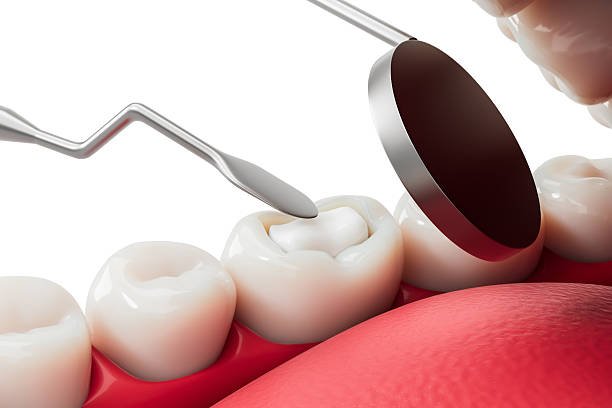
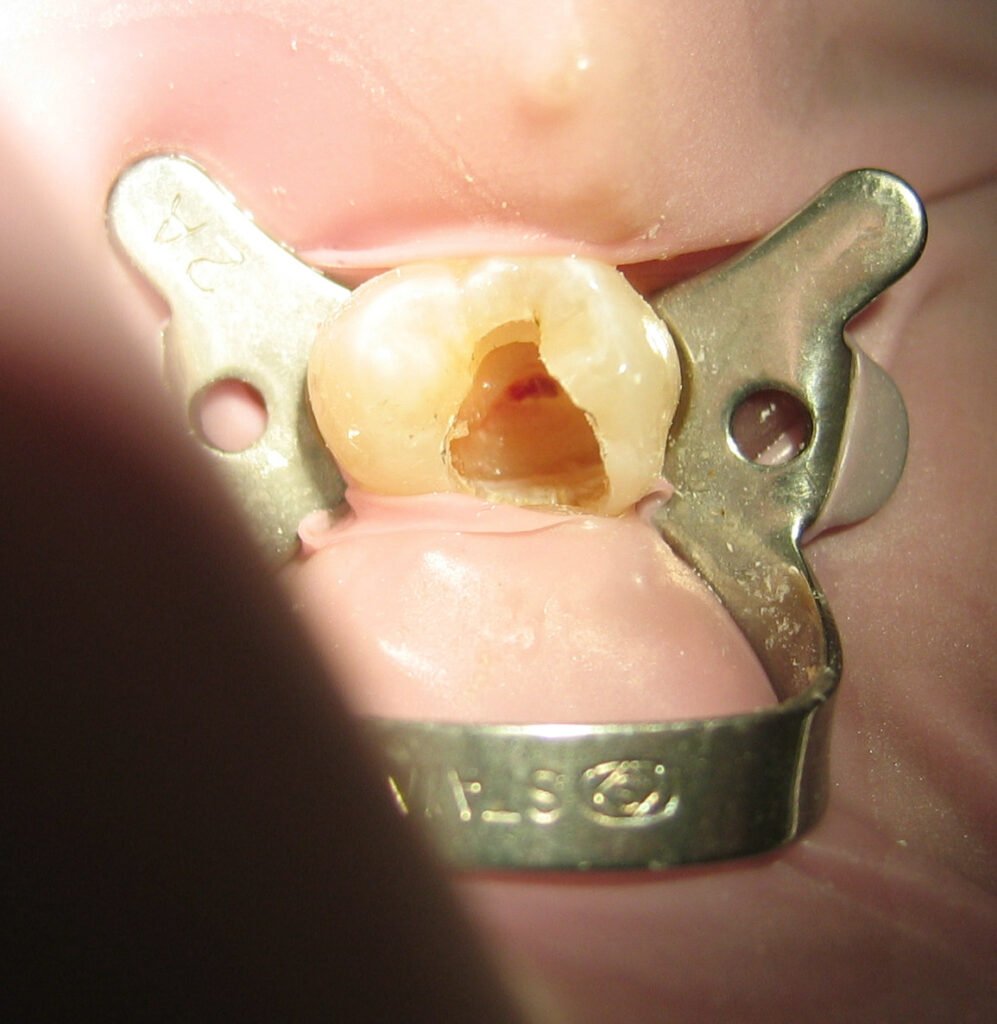
Root canal treatment is a procedure that removes inflamed or infected tissue from inside a tooth. The dentist cleans and seals the root canals, after which the tooth is restored with an appropriate filling or crown.
The main purpose is to preserve the natural tooth when it remains suitable for treatment.
Tooth extraction, on the other hand, involves removing the tooth from its socket. Extraction may be recommended when the tooth cannot be restored predictably or when other clinical factors make preservation unsuitable.
For patients comparing root canal vs tooth extraction in Kestopur, the most important consideration is not simply which procedure is quicker. It is whether the tooth can be saved and what treatment will provide an appropriate long-term result.
The American Association of Endodontists explains that root canal treatment can preserve a natural tooth, while extraction may require replacement treatment such as a bridge or implant. (AAE)
When Can Root Canal Treatment Save a Tooth?
Root canal treatment may be considered when the inner pulp of a tooth becomes inflamed or infected but the remaining tooth structure can still be restored.
Common reasons include deep cavities, repeated dental procedures, cracks affecting the pulp, or dental trauma.
A dentist may recommend root canal treatment when the tooth can be cleaned, sealed, and restored appropriately.
After treatment, the tooth may require a permanent filling or dental crown, depending on how much healthy tooth structure remains.
For someone comparing root canal vs tooth extraction in Kestopur, a professional examination helps determine whether preserving the natural tooth is a realistic option.
When Is Tooth Extraction Necessary?
Although saving a natural tooth is often worth considering, extraction may be necessary in some situations.
Examples include:
-
A tooth that is severely damaged and cannot be restored
-
Extensive decay that leaves insufficient healthy tooth structure
-
Certain fractures extending below the gumline
-
Significant supporting tissue problems
-
A tooth whose prognosis remains poor after appropriate assessment
Extraction should not be assumed necessary simply because a tooth is painful.
Sometimes a tooth that appears badly damaged can still be treated. In other cases, attempting to preserve a tooth may not be the most appropriate option.
The decision about root canal vs tooth extraction in Kestopur should therefore be based on the diagnosis, the restorability of the tooth, and the available treatment options.
7 Factors to Consider Before Choosing
1. How Much of the Tooth Is Damaged?
A tooth with deep decay may still be restorable if enough healthy structure remains.
If the damage is extensive or the tooth has a fracture that cannot be treated predictably, extraction may be considered.
2. Is There an Infection?
Infection inside a tooth can sometimes be managed through root canal treatment.
The dentist needs to evaluate the affected tooth and surrounding tissues to determine whether it can be preserved.
3. Are the Gums Healthy?
Gum health also matters when deciding how to treat a damaged tooth.
Patients experiencing persistent gum bleeding or swelling should have those symptoms assessed. Periodontal problems may affect the stability and prognosis of a tooth.
4. Can the Tooth Be Restored After Treatment?
Root canal treatment is only part of the process. The tooth may also need a filling or crown to restore its function and protect the remaining structure.
The expected final restoration should be considered before choosing treatment.
5. What Are the Long-Term Costs?
Root canal treatment may involve the procedure and a subsequent restoration.
Extraction can initially appear simpler, but replacing the missing tooth with a bridge, implant, or denture creates additional treatment requirements and costs.
Patients should compare the overall treatment plan rather than only the immediate procedure charge.
6. How Important Is Keeping the Natural Tooth?
Natural teeth contribute to chewing and help maintain the normal arrangement of the teeth.
Whenever a tooth can be preserved safely and predictably, keeping it may avoid the need for replacement treatment.
However, preserving a tooth is not always possible, and treatment decisions must be individualized.
7. What Does the Dentist Recommend?
A dental examination, and sometimes imaging, helps the dentist understand the condition of the tooth and surrounding structures.
Ask about the chances of restoring the tooth, expected appointments, required crown or filling, potential risks, and alternatives.
Pain and Recovery: Root Canal vs Extraction
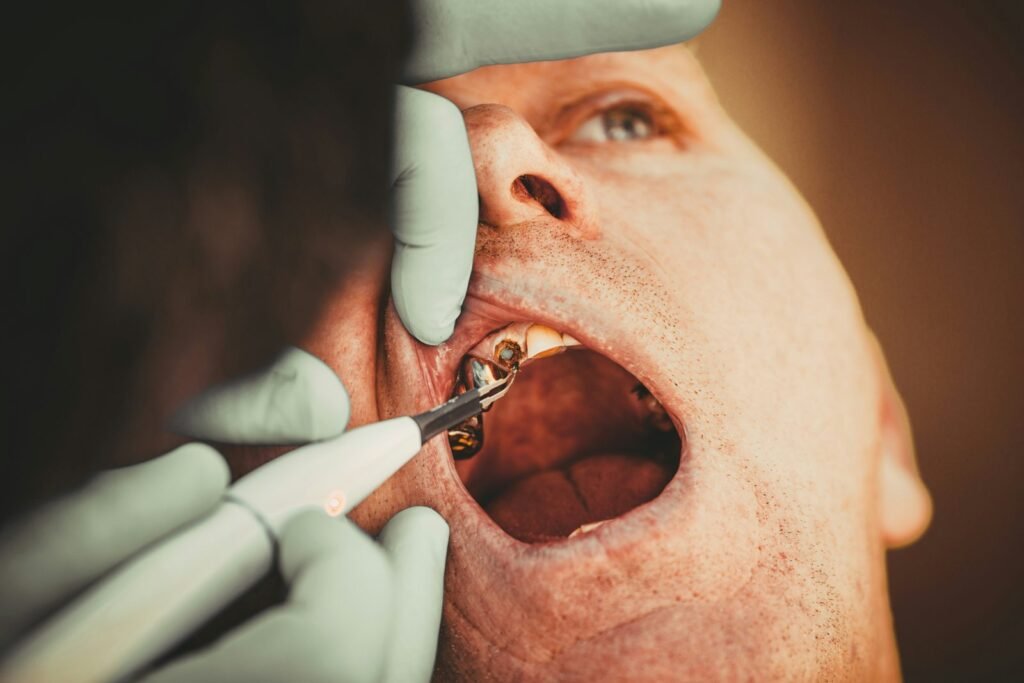
Both treatments are performed using appropriate anesthesia, but the procedure and recovery experience can differ.
During root canal treatment, local anesthesia is used to numb the affected area. Some soreness or tenderness may occur afterward, particularly if the tooth was inflamed before treatment.
After extraction, patients may experience soreness, swelling, and temporary difficulty chewing while the extraction site heals.
For root canal vs tooth extraction in Kestopur, recovery depends on the original dental condition, the procedure performed, and individual healing.
Follow your dentist’s instructions and seek professional advice if pain becomes severe, swelling increases, or symptoms do not improve as expected.
What Happens After Tooth Extraction?
If a tooth cannot be saved and is extracted, the next step depends on its position and the patient’s oral health.
A missing tooth may affect chewing or allow nearby teeth to shift over time. Replacement options may include:
Dental implants: An implant can support a replacement tooth and may be considered when the patient is clinically suitable.
Dental bridges: A bridge can replace a missing tooth by using support from neighbouring teeth or other appropriate structures, depending on the restoration design.
Removable dentures: Depending on how many teeth are missing, a removable appliance may also be an option.
The dentist can explain the advantages, limitations, treatment time, and cost of each option.
Root Canal vs Tooth Extraction in Kestopur: Cost Comparison
The cost of treatment varies according to the condition of the tooth and the procedure required.
Root canal treatment costs may depend on the type of tooth, number of canals, case complexity, and whether a crown is required.
Extraction costs may depend on the position of the tooth and the complexity of removing it. If the missing tooth is later replaced, the overall cost will also include the selected replacement treatment.
Patients comparing root canal vs tooth extraction in Kestopur should therefore ask for a complete treatment estimate, including any restoration or replacement that may be needed.
An examination is necessary for an accurate cost estimate.
How Other Dental Conditions Affect the Decision
A damaged tooth may not be the only concern during a dental consultation.
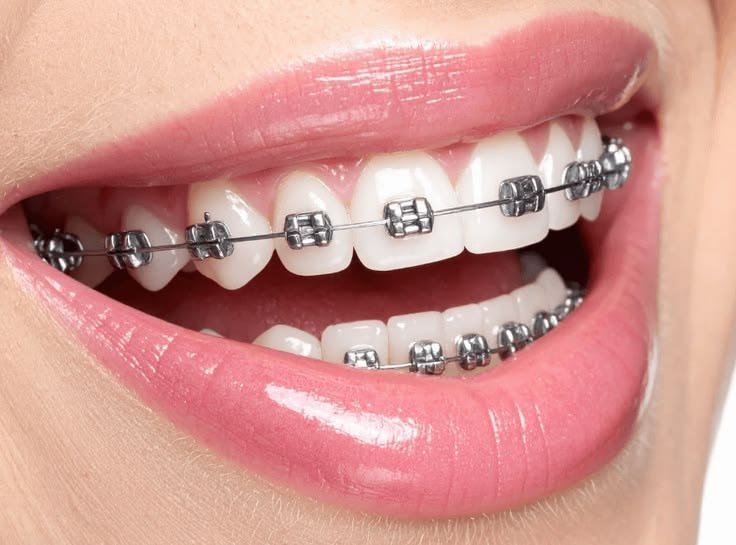
A patient with gum bleeding may need gum assessment before restorative treatment. Someone with other alignment concerns may need to discuss braces as part of a broader dental plan.
Teeth whitening is a cosmetic procedure and cannot treat infection inside a damaged tooth. A tooth with pulp infection may require root canal treatment or another appropriate procedure first.
Similarly, dental implants may be considered when a natural tooth cannot be saved and replacement is appropriate.
Addressing the actual dental problem first can help ensure the treatment plan is based on oral health, not appearance alone.
Dental Care in Kestopur and Nearby Kolkata Areas
Patients from Kestopur, Baguiati, Lake Town, Bangur, Dum Dum, and Salt Lake may seek dental advice when they experience tooth pain, deep cavities, or suspected infection.
People searching for root canal treatment in Kolkata should understand that not all painful teeth require a root canal, and not every severely damaged tooth needs extraction.
The dentist must assess the specific tooth, supporting tissues, and treatment possibilities before making a recommendation.
A personalized examination can clarify whether the tooth may be preserved or whether removal and replacement should be considered.
Questions to Ask Before Making a Decision
Before proceeding with treatment, consider asking your dentist:
-
Can my natural tooth be restored?
-
Why is root canal treatment or extraction recommended?
-
Will I need a crown or filling after root canal treatment?
-
If extraction is needed, what replacement options are suitable?
-
What is the estimated treatment time and total cost?
-
What are the risks of delaying treatment?
These questions can help you understand the alternatives and make an informed decision.
Final Thoughts
Root canal vs tooth extraction in Kestopur comes down to the condition of the tooth, the possibility of restoring it, and the patient’s individual dental needs.
Root canal treatment may preserve a natural tooth when it remains suitable for restoration. Extraction may be necessary when the tooth cannot be saved predictably, and replacement options can then be discussed.
Patients from Kestopur, Baguiati, Lake Town, Bangur, Dum Dum, Salt Lake, and other parts of Kolkata should seek a professional dental assessment for severe tooth pain, deep decay, or suspected infection.
The best decision is not always the procedure that appears quickest. It is the treatment that is clinically appropriate for the tooth and supports long-term oral health.