 Uncategorized
Dental Implant Recovery in Bangur: 7 Proven Safe Care Tips
Dental implant recovery in Bangur is an important part of replacing a missing tooth. After an implant is placed, the gums and surrounding tissues need time to heal while the implant gradually bonds with the jawbone. Following your dentist’s instructions helps protect the surgical area.
Patients from Bangur, Lake Town, Baguiati, Kestopur, Dum Dum, Salt Lake, and other parts of Kolkata often ask about swelling, food, brushing, exercise, and when the final crown can be fitted. Recovery differs according to the number of implants, surgical complexity, and bone condition.
Table of Contents
-
What Happens After Implant Placement?
-
7 Important Recovery Tips
-
Food After Implant Surgery
-
Swelling, Pain and Bleeding
-
How Long Does Healing Take?
-
Oral Hygiene and Warning Signs
-
Other Dental Treatments
-
Recovery in Bangur and Nearby Kolkata Areas
-
Final Thoughts
What Happens After Dental Implant Placement?
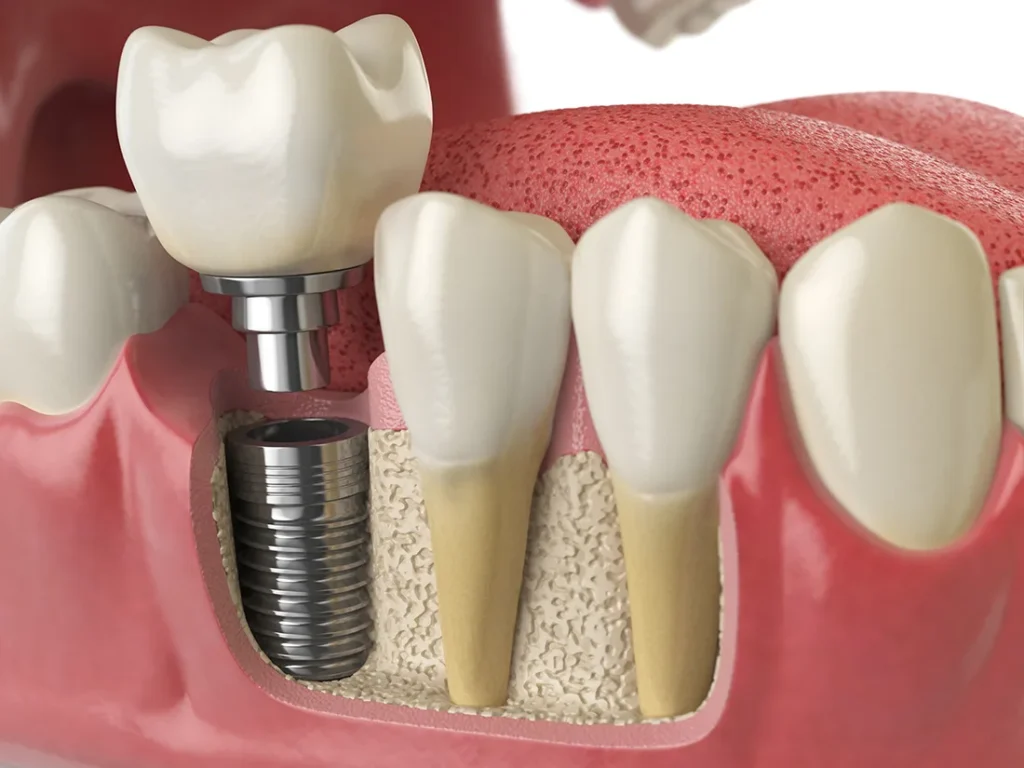
A dental implant is placed into the jawbone to act as an artificial tooth root. After surgery, the gum tissue begins to heal. Over the following months, bone gradually bonds with the implant through a process called osseointegration.
During this stage, the implant needs to remain stable. Your dentist may advise a temporary tooth replacement or ask you to avoid chewing directly over the surgical area.
The American Association of Oral and Maxillofacial Surgeons explains that some swelling or bruising can occur after surgery and that bone integration develops over several months.
7 Important Tips for Dental Implant Recovery in Bangur
1. Follow Your Dentist’s Instructions
Follow the personalised instructions provided after surgery. Your dentist may give advice about medicines, cleaning, rinsing, eating, and activity.
Do not change prescribed medicines or add new products without checking with your dental professional.
2. Choose Soft Foods Initially
A soft diet can support dental implant recovery in Bangur by reducing pressure on the implant site during early healing.
Options may include soft rice, khichdi, mashed vegetables, yoghurt, eggs, and lukewarm soups.
Avoid hard, crunchy, sticky, or chewy foods that could irritate the surgical area. Do not chew directly over the implant unless your dentist says it is safe.
3. Avoid Smoking and Tobacco
Smoking and tobacco can interfere with healing. They may increase the risk of implant complications and affect the body’s ability to recover.
Discuss tobacco use honestly with your dentist and ask for guidance before and after surgery.
4. Keep the Area Clean Carefully
Oral hygiene remains important after surgery, but the surgical site may need gentle care at first.
Follow instructions about brushing near the area and using any recommended rinse. Do not scrub the surgical site or disturb stitches.
5. Rest and Limit Strenuous Activity
Your dental team may recommend taking it easy on the day of surgery and avoiding strenuous exercise for a period.
Heavy activity may increase discomfort or bleeding in some patients. Return to your normal routine according to your dentist’s instructions and the extent of the procedure.
6. Attend Follow-Up Appointments
Follow-up visits allow the dentist to check gum healing, the surgical area, and implant stability.
Keep these appointments even when you feel comfortable. During dental implant recovery in Bangur, the final crown is fitted only when the dentist considers the implant and surrounding tissues ready.
7. Report Changes Early
Contact your dentist if pain increases rather than improves, swelling becomes worse, bleeding continues, or you notice pus, fever, or unusual movement.
Do not wait for a routine appointment if symptoms are concerning.
What Food Can You Eat After Implant Surgery?
During dental implant recovery in Bangur, food choices can make early recovery more comfortable.
Your dentist may recommend soft foods at first, with gradual changes as healing progresses.
Suitable options may include:
-
Khichdi or soft rice
-
Mashed potatoes or vegetables
-
Yoghurt and soft paneer
-
Scrambled eggs
-
Lukewarm soups
-
Soft-cooked pasta
Avoid very hot food while the area is numb. Follow case-specific restrictions, especially if bone grafting or multiple implants were involved.
Your dentist can tell you when to return to a varied diet.
Swelling, Pain and Bleeding: What Is Normal?
Some discomfort, swelling, bruising, or minor bleeding can occur after implant surgery. Swelling may be more noticeable during the first couple of days and should generally begin to settle.
Recovery varies with the extent of surgery, number of implants, and whether bone grafting was performed.
Use medicines only as directed. If bleeding does not settle, pain becomes severe, swelling increases, or you develop a fever, contact your dental team promptly.
How Long Does Implant Healing Take?
The gum tissue may begin to settle within the first couple of weeks, but bonding between the implant and jawbone takes longer.
This bone-healing stage can take several months, depending on bone quality, implant location, general health, and whether additional procedures were needed.
For dental implant recovery in Bangur, the full process includes initial tissue healing, bone integration, and placement of the final crown. It is not limited to the first few days after surgery.
For dental implant recovery in Bangur, your dentist will assess implant stability before deciding when it can support the final replacement tooth.
Oral Hygiene and Warning Signs During Recovery
During dental implant recovery in Bangur, keeping the mouth clean helps control plaque around teeth and the implant area.
Follow your dentist’s instructions for brushing, cleaning between teeth, and any recommended mouth rinse. Avoid disturbing the surgical site until your dental team says it is safe.
Contact your dentist if you notice increasing pain, swelling that keeps worsening, persistent bleeding, pus, fever, or an implant or temporary restoration that feels loose.
Difficulty breathing or swallowing needs urgent medical attention.
Other Dental Treatments and Implant Recovery
Patients may have other dental concerns alongside a missing tooth. These should be included in the overall treatment plan.
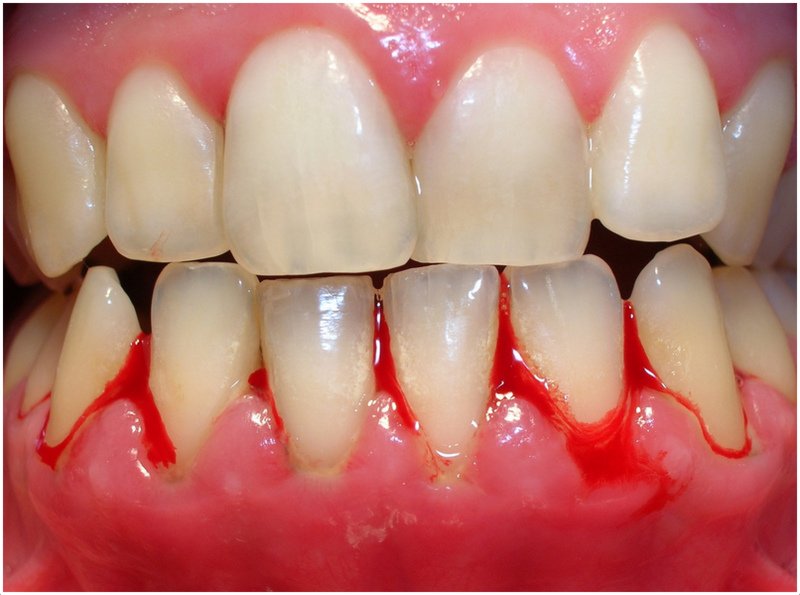
Gum bleeding or inflammation should be evaluated because healthy tissues are important for implant care. Persistent bleeding should be discussed before implant treatment.
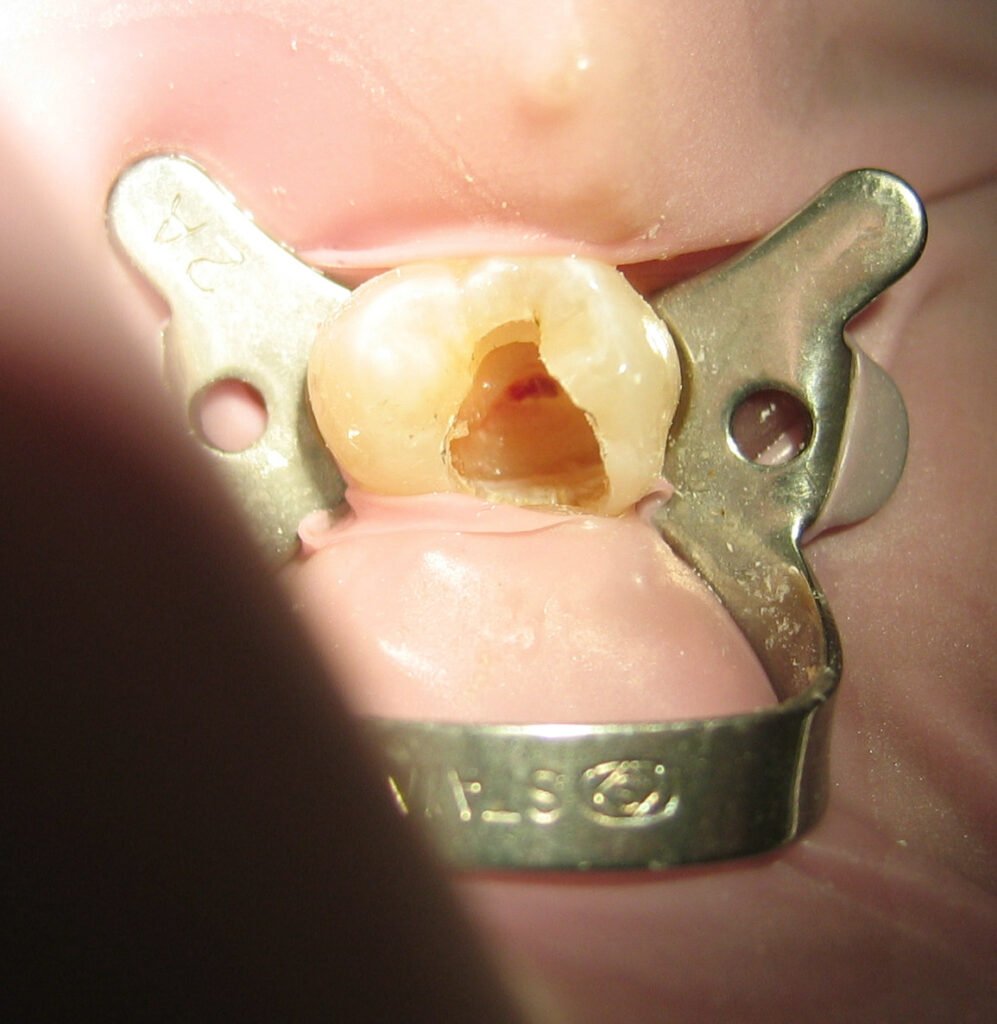
Root canal treatment may be considered when a natural tooth can still be saved. An implant is generally discussed when a tooth is missing or cannot be predictably restored.
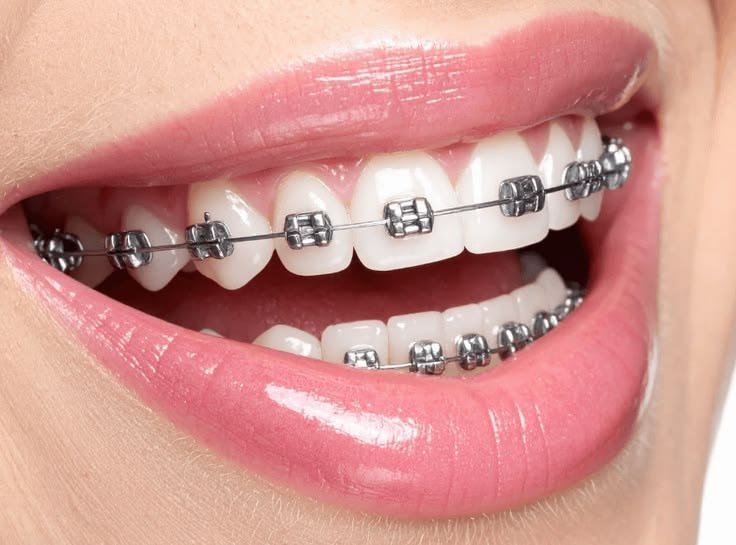
Braces may be needed for alignment or bite concerns. Since implants are designed to remain fixed in the jawbone, orthodontic and implant treatment must be planned in the correct sequence.
Teeth whitening changes the shade of natural teeth, not the colour of an implant crown. When both treatments are planned, discuss the order and final shade with your dentist.
Dental Implant Recovery in Bangur and Nearby Kolkata Areas
Patients looking for dental implant recovery in Bangur may also come from Lake Town, Baguiati, Kestopur, Dum Dum, Salt Lake, and other parts of Kolkata.
General healing principles are similar, but instructions must be adjusted to the procedure and individual health.
Know whom to contact if you have concerns after surgery and attend scheduled follow-up visits. Do not rely only on general online advice when your dentist has given instructions specific to your procedure.
Final Thoughts
Dental implant recovery in Bangur involves initial gum healing followed by a longer period in which the implant bonds with the jawbone.
Soft foods, careful oral hygiene, avoiding tobacco, limiting strenuous activity, and attending follow-up appointments can all support recovery.
Patients from Bangur, Lake Town, Baguiati, Kestopur, Dum Dum, and Salt Lake in Kolkata should follow their dentist’s post-operative instructions because recovery varies with the procedure and overall health.
If pain, swelling, bleeding, fever, or looseness becomes concerning, contact your dental team rather than waiting. Proper follow-up and long-term maintenance are important parts of implant treatment.